
The Role of Luck in Casino Games
Luck plays a pivotal role in casino games, primarily because many of these games are designed to be based on chance. For instance, slot machines operate on random number generators, meaning every spin is independent and outcomes cannot be predicted. This randomness creates an environment where sheer luck can lead to significant wins, yet it simultaneously underscores the uncertainty and volatility inherent in gambling. Those interested in exploring more about gaming options may find that brighterlifehomes.co.uk offers valuable insights, helping gamblers navigate the thrilling yet unpredictable world of chance.
Moreover, the perception of luck varies among players. Some believe in lucky charms, rituals, or specific strategies that they feel bring them fortune. This psychological component can enhance the gaming experience, as many players associate their wins with personal beliefs about luck. For example, a player who always wears a particular shirt or carries a specific token might feel that these items bring them good fortune at a blackjack table. This belief can create a unique blend of psychology and luck, influencing how players approach their games.
However, it’s important to note that while luck can influence immediate outcomes, consistent success in casinos usually hinges more on skill and strategy, especially in games like poker. In these instances, players are not only relying on luck but must also leverage their understanding of the game dynamics, opponents, and optimal strategies to increase their chances of winning. This nuanced relationship between luck and skill is essential to grasp for anyone hoping to find success in a casino environment.
The House Edge and Its Implications
Understanding the house edge is crucial for appreciating how luck influences outcomes in casinos. The house edge refers to the mathematical advantage that casinos have over players in any given game. This edge varies across different games; for example, games like blackjack may have a lower house edge compared to slot machines. This means that while lucky streaks can lead to temporary success, over the long term, the house is always positioned to prevail. Players relying solely on luck often overlook this critical aspect, leading to misunderstandings about their winning potential.
Furthermore, the house edge not only affects individual games but also shapes the gambling experience as a whole. Players who understand the concept of the house edge can make informed decisions about which games to play and how to manage their bankrolls. For instance, if a player knows that a certain game has a higher house edge, they might choose to avoid it in favor of one with better odds, thereby leveraging not just luck but also strategic thinking. This approach can lessen the negative impacts of relying on luck alone.

In essence, while luck can certainly influence short-term success, the deeper understanding of the house edge and its implications can empower players to make smarter choices. By balancing their game selections with an awareness of the house advantage, players can enhance their overall likelihood of success at the casino, relying less on randomness and more on informed decision-making.
Psychological Factors Influencing Luck Perception
The psychology of luck in gambling extends far beyond simple chance; it involves how players interpret their experiences and outcomes. Cognitive biases, such as the illusion of control, can lead players to believe they have more influence over the game than they actually do. For instance, a player might feel that they can affect the outcome of a dice game by how they throw the dice. This belief can amplify the thrill of the game but often blinds players to the underlying nature of randomness.
Additionally, emotions play a significant role in shaping how players perceive their luck. Winning can create a rush of excitement, leading players to believe they are on a lucky streak, which can motivate them to continue playing. Conversely, losing can generate frustration and lead to irrational behaviors, such as chasing losses, which often results in further financial detriment. Understanding these psychological factors can help players maintain a balanced perspective and avoid the pitfalls associated with misinterpreting luck as control or imminent success.
Moreover, social influences can also affect perceptions of luck. Observing other players’ successes can create an aura of luckiness surrounding certain games or machines, prompting others to join in or try their luck. This phenomenon can lead to a collective excitement that may distort individual judgments about expected outcomes. Recognizing these psychological elements can help players navigate the casino environment more effectively, grounding their strategies in reality rather than emotion or illusion.
Strategies to Enhance Winning Potential
While luck undeniably plays a role in casino success, players can adopt strategies to improve their odds and enhance their overall experience. One effective approach is to learn the rules and strategies specific to the games being played. For example, mastering basic blackjack strategy can reduce the house edge significantly, turning a game of chance into a game of skill. By investing time in understanding game mechanics, players can take advantage of situations where skill can offset luck.
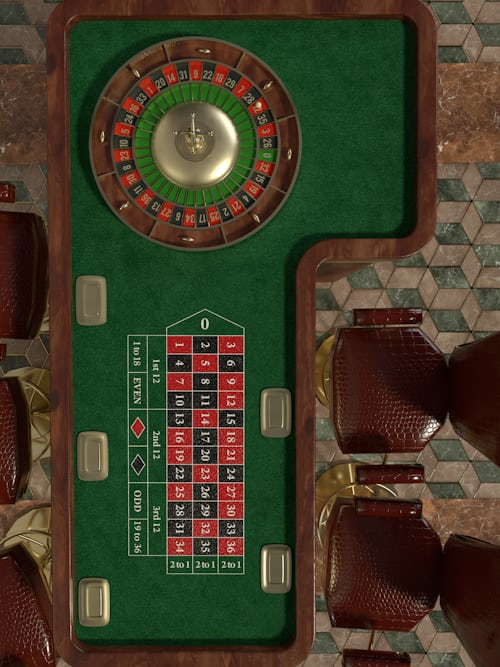
Bankroll management is another critical strategy that can be influenced by understanding luck. Players should establish limits before entering the casino, determining how much they are willing to spend and sticking to that budget. This practice ensures that decisions are not solely driven by the highs and lows of luck but are instead guided by financial responsibility. Additionally, setting win and loss limits can help players recognize when to walk away, preserving their winnings or minimizing losses.
Finally, choosing the right games can significantly impact success. Games with lower house edges and higher return-to-player (RTP) percentages, like video poker or certain table games, offer better chances for sustained success compared to games of pure luck like slots. By strategically selecting which games to play based on their odds, players can increase their chances of enjoying an overall successful outing, demonstrating that while luck is an important factor, strategy and informed decision-making can play equally vital roles.
Exploring Resources for Informed Gambling Choices
In the complex world of gambling, knowledge is power. Players interested in understanding the factors that influence their success at the casino can benefit from various resources. Numerous websites offer insights into game strategies, tips on bankroll management, and comprehensive guides to different casino games. These resources can equip players with the information they need to make informed choices, thereby enhancing their experiences and outcomes.
Additionally, engaging with online communities and forums can provide valuable perspectives and strategies shared by experienced players. These platforms often discuss individual experiences, offering advice on best practices that can improve one’s chances of success. Participating in these discussions allows players to learn from the successes and failures of others, fostering a deeper understanding of how luck and strategy intersect in gambling.
Ultimately, while luck is an undeniable factor in casino success, informed players who utilize available resources can enhance their understanding of games, strategies, and psychological elements at play. By combining knowledge with a little bit of luck, players can approach their gambling adventures with greater confidence and potential for success, making the most of their time at the casino.