
The Nature of Luck in Gambling
Luck, often described as a force that brings both fortune and misfortune, is a fundamental element in the realm of gambling. In casinos, the outcome of each game can be highly unpredictable, making luck a critical factor that determines whether a player emerges victorious or faces defeat. Many players seek to enhance their gaming experience with tools like $10 neosurf casino australia , which can offer additional options for engaging with their favorite games. This inherent uncertainty in gambling contributes to its allure; players are drawn to the thrill of not knowing what will happen next, which adds an exhilarating dimension to their experience at the tables.
When entering a casino, players often bring their personal beliefs about luck, which can significantly influence their gambling behavior. Some individuals may identify as “lucky” based on prior experiences, while others might engage in rituals or superstitions they believe will sway fortune in their favor. For instance, a player may wear a certain outfit or carry a lucky charm, operating under the psychology that these actions could enhance their chances of winning. This interplay between belief and behavior not only enriches the gambling experience but also illustrates how deeply intertwined luck is with the players’ mindsets.
While luck undeniably plays a pivotal role in determining the outcomes of individual games, it is essential to acknowledge that it is not the only factor influencing gambling success. A combination of skill, strategy, and chance ultimately determines a player’s long-term performance. Therefore, gaining an understanding of luck’s role in gambling is vital, but it must be complemented by an awareness of the game mechanics and the player’s own strategic choices.
The Mathematics Behind Casino Games
Every casino game is built upon specific odds and probabilities that inherently favor the house. These mathematical principles dictate that, over time, the house will always maintain an advantage over players, regardless of individual outcomes. In games like blackjack or poker, while skill can significantly influence results, the element of luck remains a constant factor, affecting the randomness of cards dealt or the roll of the dice. Understanding these odds is crucial for players who wish to navigate their gambling experience more effectively, as it emphasizes that luck cannot be entirely separated from the decision-making process.
Take slot machines, for example; the outcomes are determined by random number generators, making them purely reliant on luck. Players can find themselves enjoying a streak of wins or enduring a series of losses, exemplifying the unpredictable nature of chance in this environment. Despite the randomness inherent in slots, many players develop a personal connection to their favorite machines, attributing their successes or failures to their own luck rather than the underlying probabilities, which can lead to misconceptions about how these games function.

To truly enjoy and engage in casino games, players must grasp the mathematical foundations that govern them. By familiarizing themselves with the odds and mechanics of various games, they can make more informed decisions that enhance their overall experience. This understanding allows for a balanced approach to gambling, recognizing that while luck is a significant factor, informed, rational decision-making can help mitigate losses and improve enjoyment in the long run.
The Psychological Impact of Luck
The concept of luck profoundly affects players’ psychology in casinos. Many gamblers exhibit cognitive biases that distort their understanding of luck and its implications. A common example is the “gambler’s fallacy,” where players mistakenly believe that past outcomes influence future results. For instance, one might think that after a series of losses, a win is “overdue,” leading to increased betting and potentially larger financial losses. This cognitive distortion highlights how perceptions of luck can lead to poor decision-making.
Emotional investment in outcomes also illustrates the psychological impact of luck. A lucky streak can evoke feelings of joy and confidence, often resulting in a more aggressive betting approach. Conversely, a long stretch of losses can generate feelings of frustration and despair, prompting players to chase their losses with higher stakes. This emotional volatility underscores the deep connection between luck and the psychological state of gamblers, influencing not only individual choices but also broader bankroll management strategies.
Being aware of these psychological effects is crucial for developing healthier gambling habits. Recognizing the transient nature of luck can encourage players to adopt a more realistic mindset, enabling them to set limits and understand that outcomes are often beyond their control. By fostering a perspective that balances luck with logical analysis and strategic planning, players can better navigate the complexities of the casino experience and enjoy their time spent gambling.
Strategies to Manage Luck in Gambling
While luck is an uncontrollable aspect of gambling, players can adopt certain strategies to better manage its influence on their gaming experience. One effective tactic is establishing a clear budget before playing. By determining how much money they are willing to spend and adhering to that limit, players can avoid the negative repercussions of chasing losses or overspending. This financial discipline allows individuals to enjoy the thrill of gambling without succumbing to the pressures that come with potential losses.
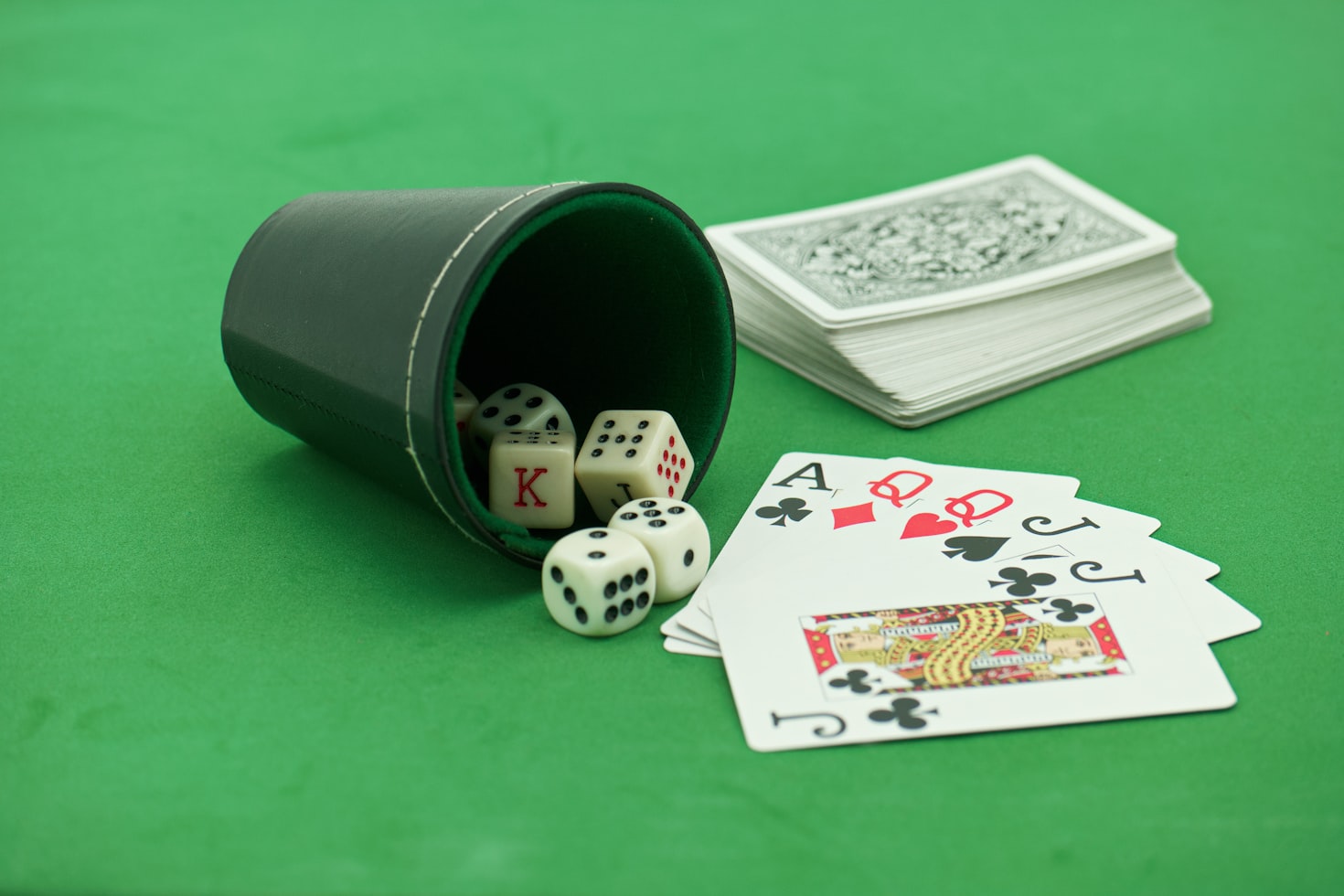
Selecting games with more favorable odds can also help mitigate the randomness associated with luck. For instance, games like blackjack allow players to employ strategies such as card counting, which blends skill with chance. By opting for games where decisions can significantly influence outcomes, players can acknowledge the role of luck while also emphasizing their capacity to make strategic choices that improve their chances of success. This dual approach promotes a more rewarding and engaging gambling experience.
In addition to game selection and budgeting, taking regular breaks during gaming sessions can greatly enhance a player’s ability to manage luck’s impact. Frequent pauses enable players to maintain perspective, reduce stress, and avoid impulsive decisions driven by emotions. By implementing these strategies, players can recognize that while luck is a factor in gambling, they possess the tools to enhance their control over their experience, leading to a more enjoyable and responsible approach to gaming.
Exploring Resources for Responsible Gambling
Understanding the role of luck in casino success provides an opportunity to delve into the importance of responsible gambling practices. Numerous resources are available for players interested in educating themselves about the intricate balance of luck, strategy, and game dynamics. Many online platforms offer valuable insights, tips, and tools that assist players in making informed decisions about their gambling habits, enabling them to approach the casino experience with greater awareness.
Furthermore, many casinos are increasingly prioritizing responsible gambling initiatives, which may include self-exclusion programs, educational workshops, and access to professional counseling services. These resources aim to create safer environments for players, promoting awareness of the psychological aspects of gambling while encouraging healthy and responsible habits. By leveraging these initiatives, players can develop a more comprehensive understanding of their gambling behaviors and mitigate the potential negative consequences associated with excessive play.
Utilizing available resources allows players to deepen their understanding of the interplay between luck and strategy in gambling. This knowledge not only enhances their gaming experience but also supports a culture of responsibility within the casino community. Ultimately, acknowledging the significance of luck while employing informed strategies fosters a more enjoyable and balanced approach to gambling, allowing individuals to relish the excitement while minimizing potential risks.